

How A Nutritional Therapist Navigates The Festive Season
Master Your Energy Budget
Much of December’s exhaustion comes from constant role-switching – one minute you’re finishing work projects, the next you’re planning childcare, shopping for gifts or heading to a drinks party. As mindset coach Lucy Spicer explains, that cognitive switching is incredibly energy-intensive, which is why the month feels heavier than it should. One way to stay ahead is to treat energy like a budget you allocate, not an endless resource you spend reactively. Before agreeing to anything, pause long enough to check your internal bandwidth: Can I absorb this without paying for it tomorrow? This tiny moment of honesty prevents overcommitting, and the resentment and burnout that usually follow. Small anchoring rituals also matter more than people realise. A ten-minute daylight walk between meetings, drinking your morning coffee without your phone or taking three slow breaths before sleep – these mini resets stop your nervous system slipping into chronic stress mode.
Strengthen Your Stress Resilience
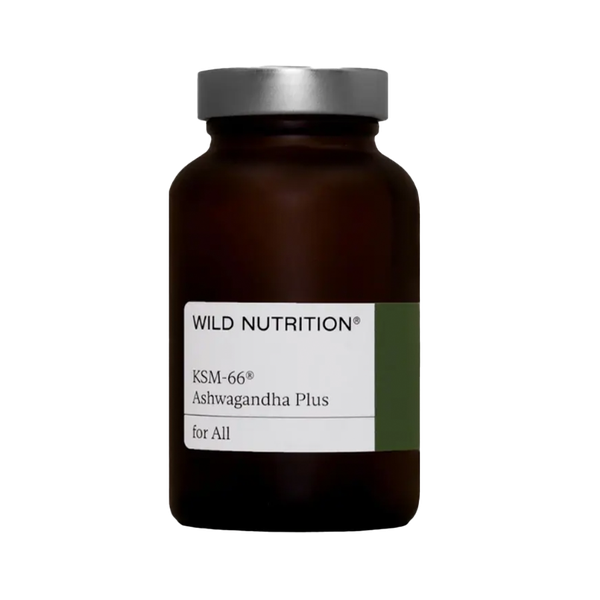
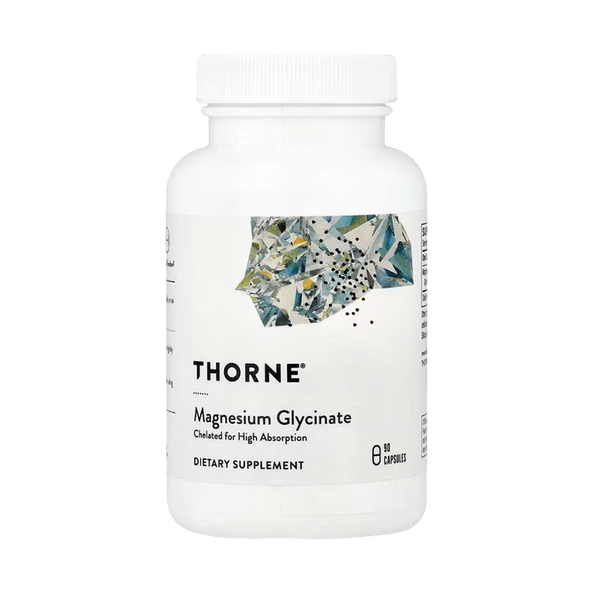
When cortisol is high – which is common in December – your body burns through key nutrients faster. Nutritionist Clarissa Lenherr often sees clients benefit from magnesium glycinate, B vitamins and omega-3s to support mood, sleep and mental clarity during stressful periods. Magnesium glycinate is particularly effective for calming the nervous system – I rate Thorne and Pure Encapsulations’ formulas. Adaptogens can offer additional support: rhodiola for sustained focus, reishi for deeper rest and ashwagandha to help regulate the body’s stress response. They’re not stimulants – they simply help your body cope with pressure more effectively. Lucy Spicer also recommends a simple mind-clear when everything feels scattered – write down everything in your head and divide it into essential, can wait and delegate. Pair this with short focus blocks – try 25 minutes on, five minutes off – to reduce overwhelm and keep your brain on one track at a time. For a more tech-forward option, the Yōjō device stimulates the vagus nerve to guide the body out of ‘fight-or-flight.’ It offers a daily, repeatable way to calm internal noise and improve recovery during the season. A 30-minute session lowers stress markers, while the app offers five-minute hacks for moments when you feel overwhelmed or can’t switch off.
Sleep Like It’s Your Superpower
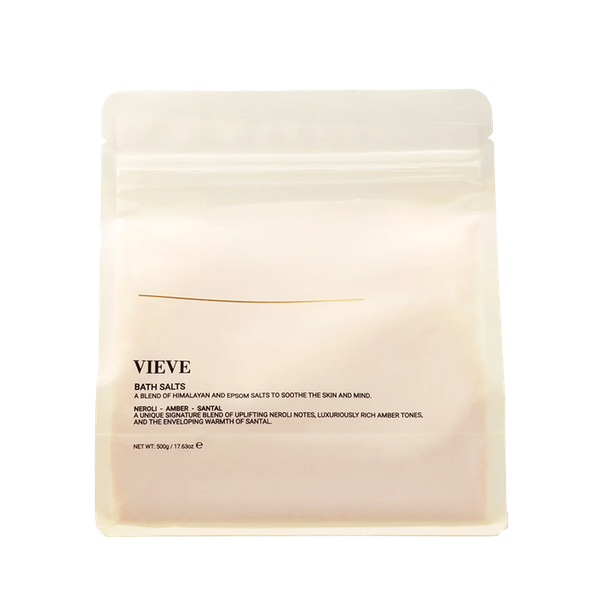
Sleep is usually the first thing to slip in December but Clarissa says maintaining quality is more important than chasing eight hours. That means limiting caffeine after 2pm – including green tea and matcha – and giving alcohol time to metabolise before bed, as well as staying hydrated throughout the evening. Spicy or fatty meals can cause reflux, so give yourself a three-hour gap before lying down. A simple wind-down routine helps enormously – dim the lights, put your phone away and sip a calming tea. An Epsom salt bath is another reliable reset – add three cups to warm water and soak for at least 20 minutes to let the magnesium absorb fully. If you need extra support, Ancient + Brave’s True Nightcap is my go-to for deeper, more restorative sleep. Apps like Insight Timer and Othership can support those wind-down moments when your mind feels overstimulated from social plans.
Party Smarter, Not Less
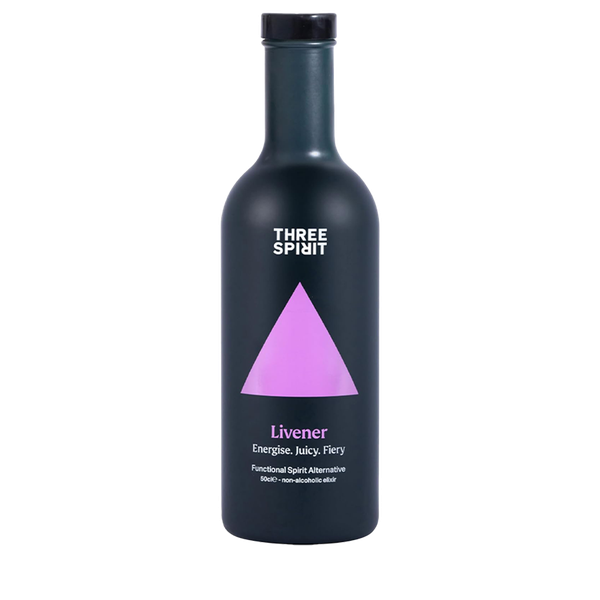
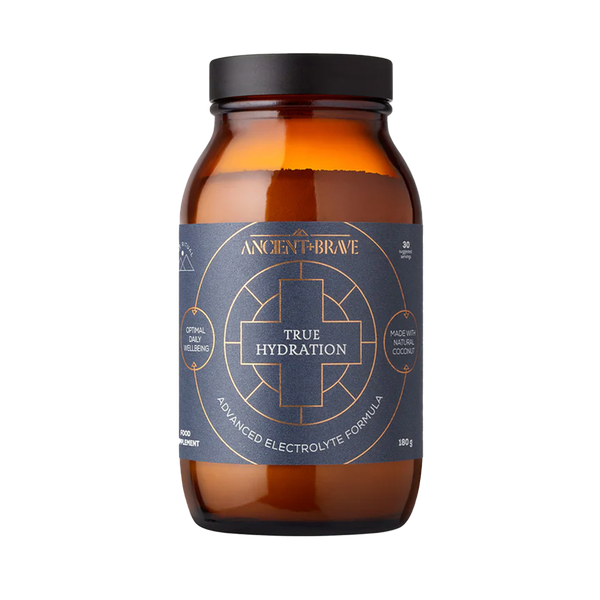
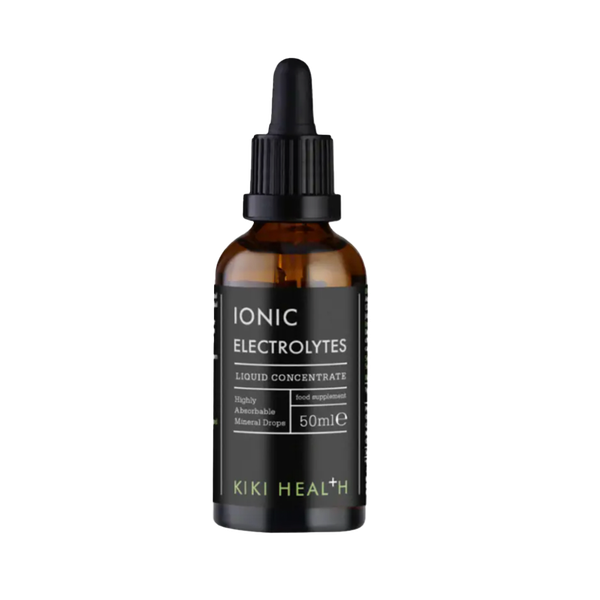
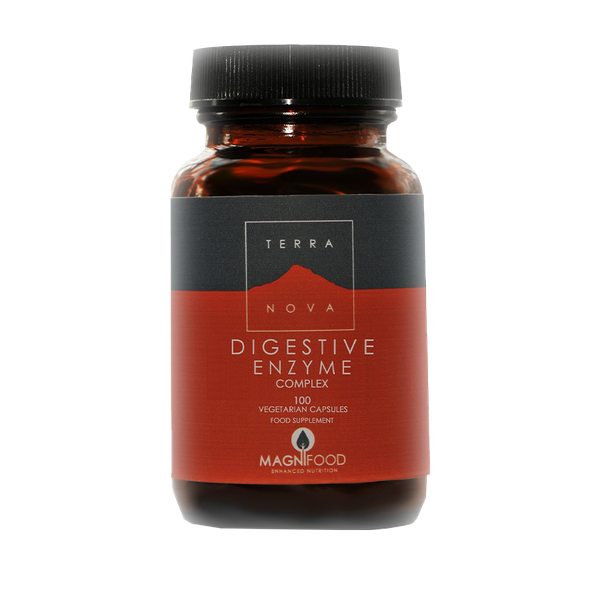
Clarissa recommends eating something protein-rich before drinking to slow alcohol absorption and prevent the blood sugar swings that lead to next-day anxiety and fatigue. Lighter choices – like a tequila and soda, wine spritzers, or considered alcohol-free options – help keep energy steadier. Alternating drinks with water and adding electrolytes before bed can also soften the next-morning impact. For digestion, Clarissa suggests a digestive enzyme before a heavy meal and incorporating natural liver-supportive foods throughout the week – bitter greens like rocket, artichoke and beetroot, plus herbal teas made with ginger, milk thistle or dandelion. Fibre-rich dishes such as roasted Brussels sprouts or beetroot dips support the body’s natural detox processes without needing anything extreme. Ginger tea is a soothing option the morning after – simmer fresh ginger in water for two hours, then add lemon and manuka honey. Replenish electrolytes with blends like Ancient + Brave’s True Hydration, and instead of diving into sugary carbs, go for a savoury breakfast like rye toast with poached eggs and smoked salmon to stabilise blood sugar. For extra support, I rate Artah’s Deep Detox – take before drinking and again the following morning.
Keep Your Immunity In Fighting Shape
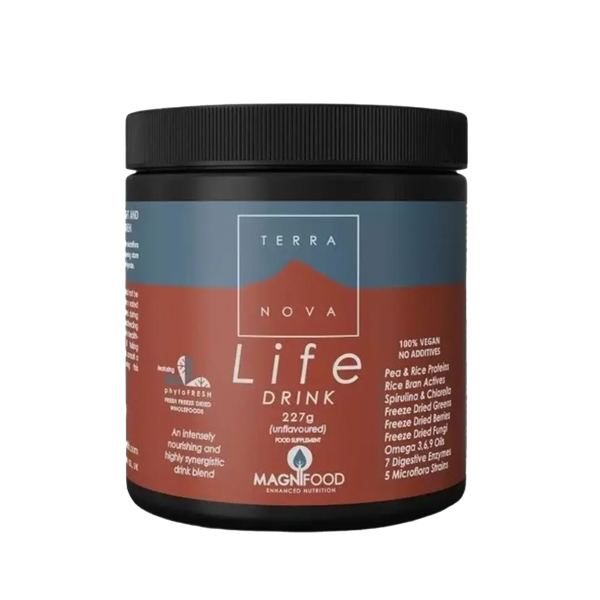
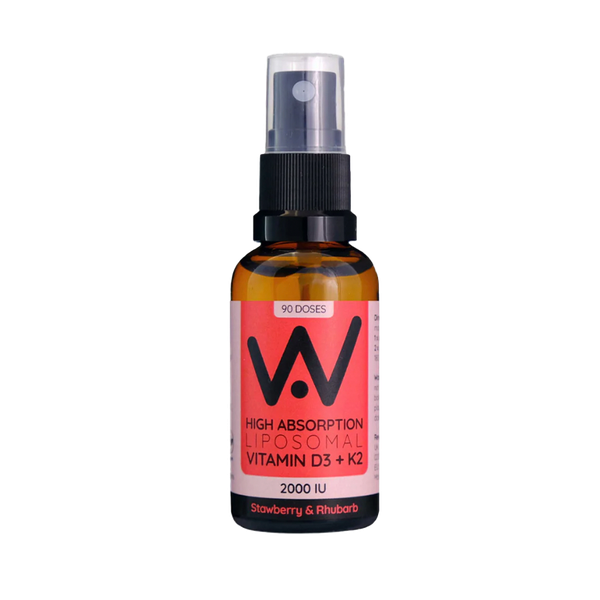
Stress, disrupted sleep and close-contact socialising make immunity more vulnerable. A simple trio – vitamin D, vitamin C and zinc – will keep defences strong. Because so much of the immune system lives in the gut, adding fermented foods like kimchi, kefir and sauerkraut can also make a noticeable difference. A probiotic is useful at this time of year – I rate Microbz Immunity – and nutrient-dense greens powders like Terranova Life Drink or NuZest Green Vitality offer a concentrated boost of antioxidants, mushrooms and digestive support when meals become more inconsistent.
Build In Breathing Space
Mindset coach Lucy is clear boundaries aren’t about being antisocial – they’re about preserving your capacity so you can enjoy the things you say yes to. One or two intentionally quiet evenings a week act like a reset button for your nervous system, especially when the social pace intensifies. If you’re already out and about, combining festive errands with something restorative can keep your energy more stable. The Store Hotel and The Randolph in Oxford – with Verden and Oskia treatments, a steam room and a calming thermal area – turns Christmas shopping into a small, well-timed recharge. Think of these pockets of recovery as strategic investments rather than luxuries; they make the entire month feel more spacious and manageable.
Set Yourself Up For January
The most grounded women don’t wait for 1st January to get back on track – they weave tiny stabilising habits into December so they arrive in the new year feeling clear rather than depleted. A five-minute grounding ritual in the morning, a proper breakfast, magnesium in the evening, or simply choosing one night a week to get a full, early sleep – these habits build a surprising amount of momentum. As Clarissa often tells clients, December doesn’t have to be a write-off. A little consistency now means you start January from a place of strength, not recovery. And that mindset shift – from surviving the season to shaping it – is the real hack.
Follow @LUCYSPICER_ & @CLARISSALENHERRNUTRITION & visitLUCYMILLERNUTRITION.COM
SHOP LUCY'S PICKS



Or continue to comment as a Guest below
DISCLAIMER: We endeavour to always credit the correct original source of every image we use. If you think a credit may be incorrect, please contact us at info@sheerluxe.com.
/https%3A%2F%2Fsw18.sheerluxe.com%2Fsites%2Fsheerluxe%2Ffiles%2Fwebsite-images%2F2025%2F03%2Fsign-up-pop-up.jpg)
