
The One-Hour Health Check Taking The World By Storm
What exactly is the Ezra scan?
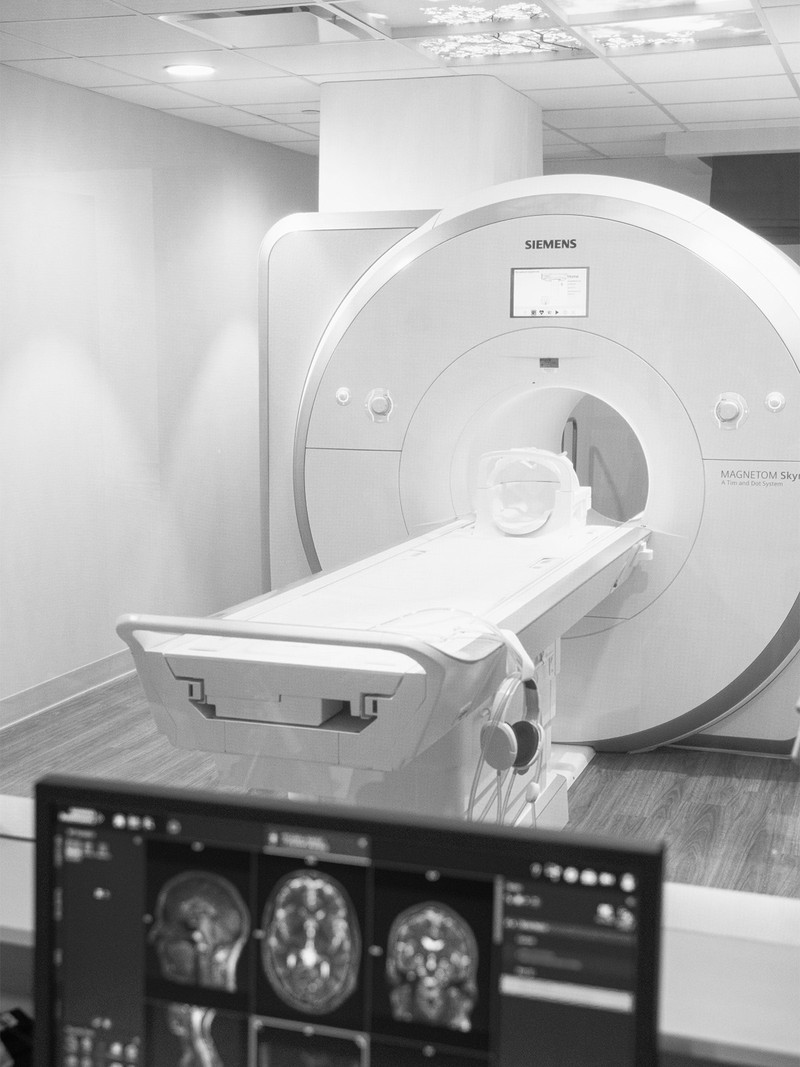
Founded in New York in 2018, Ezra was born out of one man’s determination to make early detection simple and accessible. After losing his mother to cancer that might have been caught sooner, tech entrepreneur Emi Gal set out to create a smarter way to look inside the body before symptoms appear. Fast-forward seven years and Ezra is now available in the UK, with scans offered at leading London clinics, with more cities to follow. At its core, the Ezra scan is a full-body MRI that takes around an hour. It looks for signs of cancer and over 500 other conditions – things like cysts, aneurysms, thyroid nodules and fatty liver disease – across 13 major organs from your head down to your pelvis. Unlike hospital MRIs, which are usually ordered when something’s already wrong, this one is entirely preventative, designed to give you peace of mind and a clearer sense of what’s happening inside your body right now.
What sets it apart?
Unlike the scans you’d have through the NHS, which usually focus on one area after symptoms appear, Ezra is completely preventative. It gives you a top-to-toe picture while you’re still feeling well, so you can pick up subtle changes long before they cause problems. “Early detection can be the difference between a disease that’s treatable and one that’s life-limiting,” says Dr Dan Brook, Ezra’s UK medical officer. “For many cancers, survival rates are over 90% if caught at stage one – but they drop dramatically if diagnosed later. It’s the same with things like liver disease or aneurysms; finding them early gives you options.” The experience also feels very different to a typical hospital visit. Everything is booked online, you choose a clinic that suits you and, on the day, you’re given soft clothing and headphones with your choice of music. “It’s designed to be calm, not clinical,” says Emi. “People are often surprised by how relaxed they feel – it’s an hour to yourself, really.”
What does it look for?
It screens all the major organs from the head to the pelvis – aside from the heart, lungs and breasts – and can detect more than 500 potential issues. That includes small cancers (as tiny as 1cm), cysts, aneurysms, thyroid nodules and early signs of fatty liver disease, which can progress silently over time. While no scan is 100% perfect – very early cancers may still be too small to detect – Ezra’s technology has been shown to identify changes long before symptoms appear. “We’ve found potential cancers smaller than a pea,” says Emi. “That’s the kind of window that can change outcomes.”
What happens after your scan?
Five to seven days after your appointment, you receive a detailed report. Instead of dense medical language, the findings are summarised using Ezra’s E-Score – a colour-coded system that shows what’s normal, what might need monitoring and what should be checked further. “The average MRI can be overwhelming – thousands of images and a lot of technical terms,” says Emi. “The E-Score translates that into something you can understand. Then, one of our clinicians talks you through the results, explains what they mean and what to do next.” For many, that conversation is where the real value lies. “Most people leave feeling reassured,” adds Dan. “Even when we find something minor, it gives them clarity and a plan. That sense of control is hugely empowering.”
Who’s it for?
Ezra recommends starting in your 30s or 40s if you have a family history of cancer or other risk factors, but it’s particularly relevant for women in their 40s, 50s and beyond who want to establish a baseline for midlife health. Hormonal shifts, changing metabolism and the realities of ageing all make this a good moment to check in with what’s happening internally. “Just as you’d go for an annual dental check or eye test, a yearly scan helps you understand how your body is changing,” says Emi. “The power of Ezra is in tracking patterns over time – seeing those subtle differences that a single scan might miss.”
What happens if the scan finds something?
If your scan picks up anything that needs attention, Ezra’s clinicians explain the result and help you decide on next steps, often through your GP or a relevant specialist. Because the findings are so clearly documented, referrals tend to move quickly. “Patients don’t leave with uncertainty,” says Dan. “They leave with information they can act on straight away.” It’s important to remember, though, that Ezra doesn’t replace routine NHS screenings such as mammograms or colonoscopies – it complements them. “A normal scan doesn’t mean you should skip standard checks,” says Dan. “It’s another layer of information.”
What’s the investment?
The Ezra scan is a private service, with prices starting from around £1,495 for a full-body MRI or £2,395 with the spine included. Each scan covers up to 13 major organs – from your brain to your pelvis – and includes the imaging, a detailed report and a consultation with an Ezra clinician to talk you through the results. There’s no referral needed and no hidden extras – everything is booked online at a time that suits you. While it’s an investment, many see it as the health equivalent of an annual check-in or luxury facial: something that brings clarity and peace of mind. As Dan says, “We spend so much time looking after the outside – think exercise, skincare and diet – but understanding what’s happening inside is just as important.”
Visit Ezra.com
DISCLAIMER: Features published by SheerLuxe are not intended to treat, diagnose, cure or prevent any disease. Always seek the advice of your GP or another qualified healthcare provider for any questions you have regarding a medical condition, and before undertaking any diet, exercise or other health-related programme.
DISCLAIMER: We endeavour to always credit the correct original source of every image we use. If you think a credit may be incorrect, please contact us at info@sheerluxe.com.
/https%3A%2F%2Fsw18.sheerluxe.com%2Fsites%2Fsheerluxe%2Ffiles%2Fwebsite-images%2F2025%2F03%2Fsign-up-pop-up.jpg)
